RV Boat and Depreciation: How to Protect Your Investment in Troutman, NC

Exponential Growth LLC • March 23, 2026

Understanding RV Boat and Depreciation is one of the most important aspects of ownership that often gets overlooked in the excitement of buying a recreational vehicle or boat. These assets are tied closely to lifestyle, freedom, and outdoor experiences, especially in a place like Troutman, North Carolina, where access to Lake Norman and surrounding natural areas makes travel and boating a regular part of life. However, behind every trip and weekend getaway is the reality that these vehicles gradually lose value over time.


That loss of value does not happen randomly. It is influenced by how often you use your RV or boat, how well you maintain it, and where you store it when it is not in use. Owners who take the time to understand these factors tend to make better long-term decisions, both financially and practically. Choosing a reliable storage solution in North Carolina, such as Anchored Away Storage, can play a meaningful role in preserving your vehicle’s condition and slowing depreciation in a measurable way.


What RV Boat and Depreciation Mean for Owners

Depreciation refers to the decline in value that occurs as an asset ages and experiences wear. For RVs and boats, this process is often more noticeable than with other purchases because they combine mechanical systems, living spaces, and exposure to outdoor environments. The first few years typically see the most significant drop in value, but depreciation continues throughout the life of the vehicle.


Several elements work together to determine how quickly this happens. Age is a baseline factor, but it is not the only one. A newer RV that has been poorly maintained can lose value faster than an older one that has been carefully cared for. Usage patterns also matter. Frequent use is not necessarily a negative, but heavy wear without proper upkeep can accelerate decline. Industry valuation tools such as JD Power show how condition, mileage, and maintenance records directly influence resale value. These insights highlight a key point for owners: depreciation is predictable, but it is also manageable with consistent care.


Why RVs and Boats Depreciate Faster Than Expected

RVs and boats occupy a unique category of assets because they are exposed to conditions that most vehicles are not. Unlike cars that are often parked in garages or used daily, RVs and boats may sit idle for long stretches. During that time, environmental exposure and inactivity can quietly cause damage.


Sunlight is one of the biggest contributors to depreciation. Prolonged UV exposure can fade paint, weaken seals, and damage interior materials. Moisture is another major factor, especially in humid regions like North Carolina. It can lead to mold, mildew, and corrosion, all of which reduce both functionality and value. Mechanical systems also suffer when not used regularly. Engines, plumbing, and electrical components require periodic operation to stay in good condition. Without it, small issues can develop into larger problems that impact resale value significantly.


The Influence of Troutman, NC, and Lake Norman Living

Living in Troutman offers clear advantages for RV and boat owners. The proximity to Lake Norman creates constant opportunities for boating, fishing, and weekend trips. The surrounding region also provides access to scenic roadways and campgrounds that make RV travel especially appealing. 


At the same time, the local environment introduces challenges that directly affect depreciation. Summers can be hot and humid, while seasonal weather changes bring temperature fluctuations that impact materials and systems. Boats that are frequently used in freshwater still require careful cleaning and drying to prevent buildup and long-term wear. This combination of frequent use and environmental exposure makes it even more important for Troutman owners to adopt protective habits. Storage, maintenance, and routine inspections become essential rather than optional if you want to maintain value over time.


How Proper Storage Slows Depreciation

Storage is one of the most effective ways to influence RV Boat and Depreciation, yet it is often underestimated. Where your vehicle sits when it is not in use has a direct impact on how quickly it ages. Leaving an RV or boat exposed to the elements year-round allows sun, rain, and humidity to steadily wear down its exterior and interior components.


A dedicated storage facility offers a controlled environment that reduces these risks. Protection from UV rays helps preserve paint, seals, and finishes. Reduced moisture exposure limits the chances of mold and corrosion developing over time. Security features also add another layer of protection by preventing theft or vandalism, both of which can instantly affect value. Choosing a specialized facility like Anchored Away Storage ensures that your RV or boat is kept in a space designed for its size and needs. This kind of storage is not just about convenience. It directly contributes to maintaining the condition of your investment, which in turn helps slow depreciation.


Maintenance Practices That Make a Noticeable Difference

While storage provides protection, regular maintenance ensures that your RV or boat continues to function as intended. These two factors work together. Even the best storage setup cannot fully compensate for neglect, and even the most diligent maintenance routine is less effective if the vehicle is constantly exposed to damaging conditions. Cleaning plays a larger role than many owners realize. Removing dirt, salt, and residue after each trip prevents buildup that can damage surfaces over time. Interior care is equally important. Upholstery, cabinetry, and flooring can deteriorate quickly if exposed to moisture or temperature swings.


The organization also contributes to long-term preservation. If you store gear, equipment, or personal belongings alongside your vehicle, following best practices from resources like our guide on packing a storage unit the right way helps prevent unnecessary wear and damage. Routine inspections are another key habit. Checking seals, tires, and mechanical systems allows you to address small issues before they become costly problems. Over time, these consistent efforts add up and make a clear difference in how well your RV or boat retains its value.


Security as a Factor in Value Retention

Security is often discussed in terms of peace of mind, but it also has a practical connection to depreciation. Damage caused by theft or vandalism can significantly reduce the resale value of an RV or boat. Even minor incidents can lead to repairs that affect both appearance and performance.


Facilities that prioritize security help mitigate these risks. Features such as controlled access and surveillance systems reduce the likelihood of unauthorized activity. High-quality locking mechanisms are also essential, as they provide an additional layer of protection. Understanding the importance of proper locking systems can be helpful when evaluating storage options. Our article on the best storage locking system for self-storage offers useful context on how secure storage contributes to protecting valuable assets.


Market Trends and Timing Your Resale

Depreciation is not solely determined by condition. Market demand plays an important role in how much your RV or boat is worth at any given time. In areas like Troutman, seasonal patterns can influence buyer interest. Boats tend to attract more attention during warmer months when Lake Norman is busiest. RVs may see increased demand during travel seasons when road trips become more common. Selling during these peak periods can help offset some of the value lost over time.


Condition remains a key factor, but timing can enhance your results. A well-maintained vehicle that is presented at the right moment is more likely to attract buyers who are willing to pay a higher price.


Long-Term Ownership Perspective

Owning an RV or boat is not just a financial decision. It is tied to experiences, travel, and time spent outdoors. While depreciation is unavoidable, it does not have to diminish the overall value you get from ownership. Instead, it becomes one of several factors to manage along the way. Taking a long term perspective helps shift the focus from short term value loss to sustained usability and enjoyment. When your vehicle remains in good condition, it continues to serve its purpose while also holding more of its resale value.


RV Boat and Depreciation is a natural part of ownership, but it is far from something that happens without influence. The choices you make regarding storage, maintenance, and usage all shape how quickly your vehicle loses value. In a location like Troutman, NC, where outdoor activities and water recreation are part of everyday life, these decisions carry even more weight. By storing your RV or boat in a dedicated facility such as Anchored Away Storage, with RV boat storage options in North Carolina, you create a foundation for better long-term preservation. Combined with consistent care and an understanding of local conditions, this approach allows you to protect your investment while continuing to enjoy everything the area has to offer.
January 26, 2026
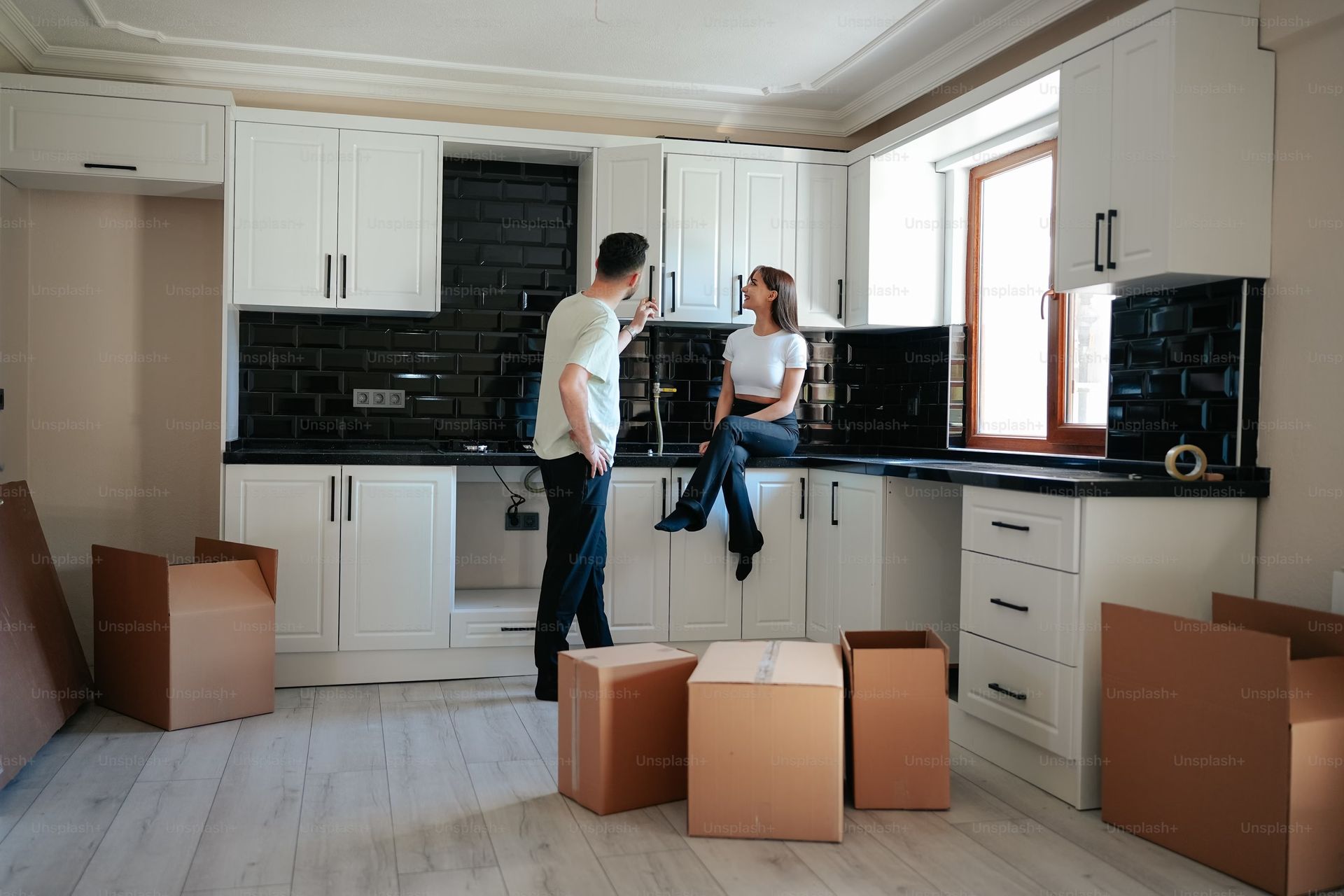
Packing a storage unit well is not about squeezing everything inside. Not only is it about choosing the right storage unit , but also about protecting your belongings, keeping access practical, and making sure you can find what you need later without unloading half the unit. The best packed units have three traits. They prevent damage, they use space efficiently, and they stay usable months after moving in. Below are 10 tips that do the most work. Each one solves a common problem that causes broken items, wasted space, or frustration later. 1. Start with a simple plan and a rough map Before you move a single box into the unit, decide what needs to be accessible and what can be buried. Put items into three groups. First, things you will need often. Second, things you might need once. Third, things you will not touch until move out. Sketch a quick map on paper or in your phone. Place the “often” group near the front and along one side so you can reach it without climbing. Place the “once” group behind that. Put long term storage in the back and high up. This plan prevents the most common storage mistake: packing everything tightly, then realizing the one item you need is behind a wall of furniture. If you share the unit with a spouse, roommate, or coworker, agree on the map. Storage gets messy fast when two people pack with different assumptions. 2. Use uniform boxes and avoid weak cardboard Box choice affects everything. Uniform sizes stack better, waste less space, and reduce tipping. Flimsy boxes collapse, which creates a domino effect. When one box caves in, it shifts weight onto the next box, then the next. Use sturdy boxes or plastic totes for heavier items and anything that matters. Avoid mixing a few oversize boxes with lots of small ones unless you have a clear stacking plan. If you must use different sizes, stack heavier, stronger boxes on the bottom and lighter boxes on top. Tape every seam. Reinforce the bottom of boxes that hold books, tools, or kitchenware. A box breaking open inside a unit is not just annoying. It also scatters weight and creates damage. 3. Protect against moisture and dust before you load Storage units often stay closed for long stretches, and even clean units can accumulate dust. Moisture is the bigger threat because it causes odor, warping, and corrosion. Use plastic bins for anything that should never absorb moisture, including papers, photos, clothing, and soft goods. If you use cardboard, keep it for durable items and keep boxes off the floor when possible. Wrap upholstered furniture in breathable covers, not plastic that traps condensation. Use moving blankets for wood furniture to prevent scratches and reduce temperature exposure. Place moisture absorbers near the front and back if you are storing long term, especially if you are in a humid climate. Do not store anything damp. Dry it first. One wet item can create odor across a whole unit. 4. Build a stable base with pallets or a raised first layer Concrete floors can sweat with temperature changes. That is enough to wick moisture into cardboard, fabric, and wood if items sit directly on the floor for months. The simplest fix is elevation. Put items on pallets, plastic shelving, or even a base layer of sturdy totes. If you have nothing else, use treated boards under the first row of boxes. Elevation also makes it easier to spot pests and reduces the chance that a small spill or water intrusion affects everything. This tip matters most for long term storage, documents, fabric, and furniture legs. 5. Pack heavy items low and create stack rules Stacking is where units fail. People start carefully, then rush near the end. Heavy boxes end up on top of light boxes, towers lean, and items get crushed. Set rules. Heavy boxes stay low. Nothing heavy goes on furniture cushions, mattress edges, or plastic storage lids that flex. Stack boxes like bricks with seams staggered when possible. Keep stacks to a height you can manage without dropping something. If a stack feels unstable, stop and rebuild. One collapse can damage several boxes and create a mess that takes hours to fix. 6. Store furniture like it is going on a truck, not in a room Furniture should be packed for pressure, movement, and time. Disassemble what you can. Remove table legs. Take bed frames apart. Keep hardware in labeled bags taped to the furniture piece itself, not tossed into a random box. Stand couches on end only if you can do it safely and the frame is designed to handle that pressure. Place heavy furniture along the sides and the back to create structure. Use flat, strong items like dressers as part of the base, but never stack heavy boxes on fragile drawer systems unless the frame is solid and drawers are removed or secured. Leave space around items that need airflow. That includes wooden furniture and anything upholstered. 7. Create an access lane and do not fill it later A storage unit without a walkway turns into a vault. It looks efficient until you need something. Leave a narrow aisle from the door to the back. It does not have to be wide. It just needs to exist. Put your “might need” items along that aisle so you can reach them quickly. Store long term items behind stacks on either side, not directly in the path. Once you have an aisle, protect it. Do not dump last minute boxes into it. If you must, stop and reorganize at the end while you still have energy and daylight. 8. Label for retrieval, not for packing Most labels are too vague. “Kitchen” does not help six months later. “Bedroom” is worse. Label boxes by what you will search for. Use plain language. “Plates and mugs.” “Tax records 2022 to 2024.” “Winter coats and gloves.” Add the destination zone from your map, like Front Left or Back Right. Write labels on two sides so you can read them when boxes are stacked. Keep one master list in your phone. A simple note with box numbers and contents works. If you want an easy system, number boxes 1 to 40 and list the highlights. You do not need to inventory every spoon. You need enough detail to avoid opening ten boxes to find one item. 9. Pack for safety and avoid prohibited or risky items Do not store anything that can leak, rot, or attract pests. That includes food, open liquids, gasoline, propane tanks, paint, and chemicals. Even sealed items can fail over time, and one leak can ruin nearby belongings. Avoid storing anything valuable without protection. If you store electronics, elevate them, cover them, and keep them in a stable temperature environment when possible. If you store documents, use sealed bins and keep them off the floor. If you are unsure about an item, think about what happens if it leaks, attracts pests, or breaks under pressure. If the outcome is bad, store it somewhere else. 10. Finish with a front zone you can live with The first four feet of the unit determines whether storage stays manageable. Treat the front like a working area, not a dumping ground. Keep a small open space for stepping in. Place frequently used items near the front. Store tools you may need, like a box cutter, gloves, and a small step stool, in a clearly marked bin at the front. Keep one area for swap items such as seasonal decor or sports gear that rotates. Take photos once you are done. Photograph the unit from the door and from the aisle. Those photos become your memory when months pass. Packing a storage unit well only works if the space itself supports good habits. Our storage units in Troutman, NC are designed to make that easier, with clean units, wide access, and features like drive up storage, climate controlled options, and Nokē Smart Entry that remove friction from day to day use. When access is simple and the environment is reliable, it is easier to pack intentionally, keep an organized layout, and manage your unit over time instead of constantly reworking it.
January 12, 2026
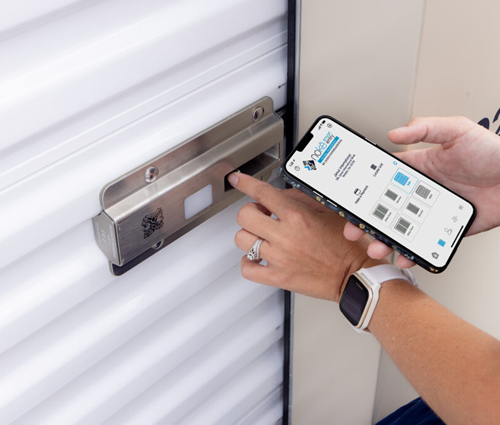
Anchored Away Storage uses Nokē Smart Entry locks instead of traditional padlocks. Renters access their units using a smartphone, which changes how storage works on a practical level. The system replaces keys, combinations, and physical lock management with digital access and permission control. That difference matters because most storage frustrations are not about space. They come from access problems. Keys get lost. Locks fail. Someone needs entry when you are not available. Nokē addresses those problems directly by changing how access is handled. This is how we ensure when you choose to storage with Anchored Away, you know you are choosing the right storage unit for your needs. What The Nokē Smart Entry Is Nokē Smart Entry is a digital locking and access system designed specifically for self storage facilities. Each unit is equipped with an electronic lock that connects to a mobile app. Instead of bringing your own padlock, you unlock the unit using your phone. Access is tied to your account rather than a physical object. That means entry can be granted, removed, or shared without replacing locks or cutting hardware. The system is built for storage environments, including frequent use and exterior exposure. From a renter’s perspective, the idea is simple. Your phone becomes your key, and access stays under your control. How the System Works for Renters After renting a unit, access is delivered digitally. When you arrive at the facility, you use your phone to enter and unlock your unit. There is no need to purchase a lock, remember a combination, or track a spare key. Each visit follows the same process. You arrive, unlock the unit through the app, and leave when finished. There is no guessing which key ring holds the correct key or whether a combination was changed. This consistency removes small but persistent points of friction that tend to build up over time with traditional storage. Why Smart Locks Improve Security Traditional padlocks depend entirely on key control. Once a key is lost or copied, control is gone unless the lock is replaced. That replacement usually happens after a problem occurs. Nokē works differently. Access is permission based rather than hardware based. If someone no longer needs entry, access can be removed without changing the lock itself. There is no physical key that cannot be accounted for. Anchored Away Storage also uses motion detection and entry tracking as part of the system. Instead of wondering whether someone accessed your unit, you have visibility into entry activity. Security becomes about awareness and control, not just strength. Digital Key Sharing Without Losing Control One of the most practical features of Nokē Smart Entry is digital key sharing. Instead of handing over a physical key, access can be shared through the app. This is useful when movers need temporary access, when a family member needs to retrieve an item, or when a business owner needs to allow an employee into a unit during specific hours. Access can be granted intentionally and removed just as easily. This avoids a common storage problem where spare keys circulate long after they are needed. Why Nokē Smart Entry Makes Anchored Away Storage a Better Choice Anchored Away Storage stands out because Nokē Smart Entry is built into the experience from the start, not added as an upgrade. Instead of relying on padlocks, keys, and combinations that become inconvenient over time, access is managed digitally. Renters do not need to buy a lock, track keys, or remember multiple codes. Access remains consistent every time they visit. This approach holds up over time. Many storage experiences start smoothly and become harder to manage as months pass. Keys get separated from key rings. Access needs change, but the lock stays the same. Nokē avoids that gradual breakdown because access is not fixed at move in. Permissions change as life changes, without replacing hardware or cutting locks. Nokē also gives renters more control than a standard lock can offer. Access can be shared intentionally and removed just as easily. This works well for families sharing a unit, business owners storing tools or inventory, renters who travel, or anyone who needs flexibility without giving up security. Entry visibility adds confidence by removing uncertainty about when a unit is accessed. Who Benefits Most From Smart Unit Access Some renters notice the value of Nokē immediately. People who visit their unit often appreciate consistent phone based access Families sharing a unit value permission based access instead of spare keys Business owners storing tools or inventory benefit from controlled access and entry visibility Renters who travel or work irregular hours avoid lock and key issues entirely Anyone who has arrived at a unit without the correct key understands the benefit right away A More Manageable Way to Store Nokē Smart Entry changes storage from a hardware problem into an access system that can be managed. That shift improves convenience and increases confidence. You know who can access your unit, when they can access it, and when that access ends. Anchored Away Storage in Troutman, NC builds this system into every unit. The result is storage that feels intentional, secure, and easier to manage over time rather than just on move in day.
January 12, 2026
Storage works best when the space matches the item and the length of time it will be stored. Troutman weather plays a role in that decision. Summers bring heat and humidity. Winters bring cold nights and moisture. Spring and fall sit somewhere in between but still fluctuate. Understanding how those conditions affect different belongings makes it easier to choose between drive up storage, climate controlled units, and outdoor parking. Anchored Away Storage offers all three options, which allows people to store based on need rather than compromise. The key is knowing when each option is appropriate. When Drive Up Storage Is the Right Choice Drive up storage is best when access matters more than environmental control. These units allow you to pull your vehicle directly to the door, unload quickly, and retrieve items without navigating interior hallways. That convenience makes a difference during moves, renovations, and seasonal transitions. Drive up units work well for short term storage. Furniture stored during a move, appliances held while floors are replaced, or boxes packed during a remodel typically spend weeks or a few months in storage. During that time, limited exposure to heat or cold rarely causes issues, especially when items are packed correctly. They are also well suited for durable items. Yard equipment, power tools, shelving, bicycles, outdoor furniture, and general household goods tolerate temperature changes better than delicate materials. In Troutman, spring and fall are ideal seasons for this type of storage. Temperatures are moderate, humidity is lower than midsummer, and access is often frequent. Drive up storage becomes less reliable for long term use when items are sensitive to moisture or heat. Summer humidity can linger for months, and interior temperatures can rise significantly. Winter introduces freezing nights followed by warmer days, which can stress certain materials over time. Drive up units are still useful year round, but they require a clear understanding of what is being stored and for how long. When Climate Controlled Storage Is Necessary Climate controlled storage is designed for items that need a stable environment. These units regulate temperature and limit humidity, which protects materials that degrade when conditions fluctuate. In Troutman, climate control becomes especially important during summer. Prolonged humidity affects wood, paper, fabrics, and electronics. Wood furniture can swell or warp. Upholstery and mattresses can absorb moisture and develop odors. Paper based items such as documents, books, and photographs are vulnerable to curling, sticking, and mold. Electronics deteriorate internally long before visible damage appears. Winter also creates risk. Freezing temperatures can crack plastics, weaken adhesives, and stress electronic components. Musical instruments lose stability. Certain household items become brittle when exposed to repeated cold cycles. Climate controlled storage minimizes these effects by keeping conditions consistent regardless of outdoor temperatures. Climate controlled units are the best choice for long term storage. Items placed in storage for months or years benefit from an environment that slows aging rather than accelerates it. This includes furniture, antiques, artwork, clothing, business records, and sentimental belongings that would be difficult or impossible to replace. Climate control also reduces maintenance. Items can remain stored without frequent inspection, which is helpful when storage is meant to simplify life rather than add another task. When Outdoor Parking Makes Sense Outdoor parking serves a different purpose than enclosed storage. It is intended for large items that are designed to live outside and require more space than a standard unit can provide. Boats, campers, trailers, and recreational vehicles fit this category. Most residential properties in Troutman are not designed to store these items conveniently. Driveways may be too small. Street parking creates visibility and security issues. Outdoor parking at a storage facility solves the space problem without forcing equipment into an unsuitable environment. Seasonal use plays a major role here. Spring and summer are active months for boating and camping. Outdoor parking allows owners to access vehicles easily without navigating tight residential spaces. Preparation and loading are simpler when there is room to move around the vehicle. During fall and winter, outdoor parking becomes a holding space. Usage slows, but the equipment still needs a secure location. While these vehicles are built for exterior conditions, long periods of inactivity introduce maintenance concerns. Batteries discharge, tires lose pressure, and moisture can collect inside compartments. Covers and occasional checks help prevent issues during the off season. Outdoor parking is appropriate for equipment designed to withstand weather exposure. It is not a replacement for enclosed or climate controlled storage when interiors or finishes require protection. How Seasons Influence Storage Choices Spring often brings transitions. Homes are reorganized, garages cleared, and outdoor equipment rotated. Drive up storage supports frequent access, while climate controlled units protect items moving out of daily use. Summer places stress on stored belongings. Climate controlled storage protects items sensitive to heat and humidity. Drive up units remain useful for durable items and short term needs. Fall is a common reset point. Summer gear moves out of use. Furniture and equipment prepare for winter storage. Drive up units simplify the process, while climate controlled units provide a stable environment for longer storage periods. Winter emphasizes protection. Climate controlled storage prevents damage from freezing temperatures. Outdoor parking holds large vehicles until spring with proper preparation. Matching Storage to the Item Storage works best when the space fits the item rather than the habit. Items that require frequent access and tolerate temperature changes belong in drive up units. Items that need protection over time belong in climate controlled storage. Large vehicles and equipment belong in outdoor parking designed for their size. Anchored Away Storage offers options because storage needs change. Choosing intentionally keeps belongings in better condition and reduces the need to move them again later. In Troutman, understanding when to use each type of storage makes the difference between simply storing items and actually preserving them.